
Gentle Sleep, Honest Expectations: The Biology and the Permission Slip
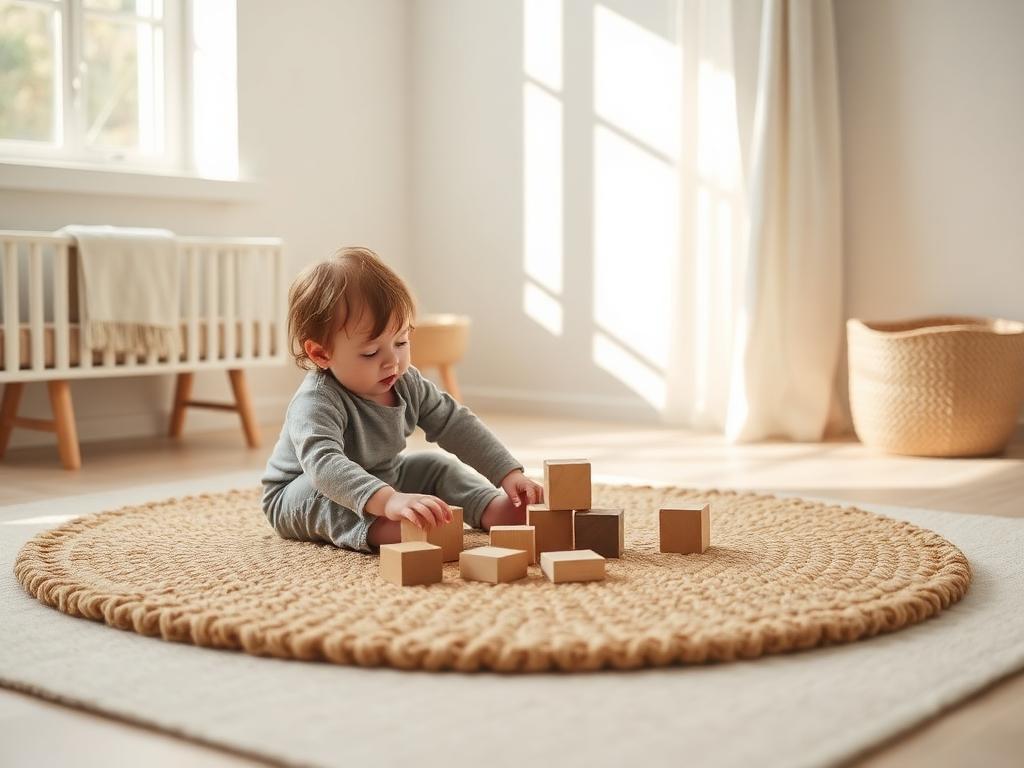
What the sleep books leave out. How baby sleep actually works, a flexible framework by age, and what helps you rest without breaking your bond or yourself.
Before any method, the biology.
Newborns wake every two to four hours because their stomachs are tiny and their nervous systems are immature. This is not a problem to solve. It is a stage to survive.
Around four months, sleep cycles mature into adult like patterns with brief wakings between cycles. This is permanent, not a "regression." Your baby is not broken. Their brain is upgrading.
The American Academy of Pediatrics recommends room sharing for at least the first six months, a firm flat sleep surface, no soft bedding, and back sleeping for every nap and night.
The Three Foundations
Whatever sleep approach you eventually choose, these three matter more than any method.
- Morning sunlight. Ten to fifteen minutes of natural light within an hour of waking sets the circadian rhythm. Take the baby outside before breakfast.
- A wind down sequence. Same five or six steps in the same order every night. Bath, lotion, feed, dim light, song, crib. The sequence becomes the cue.
- A truly dark room. Blackout curtains. Cover the LED on the monitor. Even a small amount of light suppresses melatonin in babies.
A Flexible Framework, Not a Rigid Schedule
- 0 to 3 months: No schedule. Watch wake windows of 45 to 90 minutes. Feed on demand.
- 3 to 6 months: Three to four naps. First long stretch of night sleep emerging.
- 6 to 12 months: Two naps (around 9 a.m. and 1 p.m.). Eleven to twelve hours overnight with one or two feeds for many babies.
- 12 to 18 months: Transition to one nap (around 12:30 p.m.) usually between 14 and 18 months.
- 18 months and beyond: One nap, dropped between 3 and 5 years.
Choosing a Method (If You Choose One)
There is no single right answer. The research shows that gradual fading, chair method, and even cry it out approaches do not damage attachment when applied by a responsive parent.
What matters more is consistency, alignment with your values, and your own capacity. A method you cannot follow through on will not work.
If you cosleep, follow the Safe Sleep 7 from La Leche League: nonsmoker, sober, breastfeeding, healthy baby, full term, lightly dressed baby on back, firm surface with no pillows or blankets near the baby.
When to Ask for Help
If your baby snores, stops breathing, or sleeps in unusual positions, ask about a sleep study. If sleep deprivation is affecting your mental health, that is a medical issue worth treating. Call your provider. Call Postpartum Support International. Call a friend.
Rest is not a luxury. It is medicine. And there is no medal for doing this alone.